Overview
This repository collects computer vision workflows that were prepared for OSC-style execution instead of only local notebooks. The work emphasizes repeatable setup scripts, GPU and Slurm launch paths, consistent artifact directories, and clear ways to rerun or inspect model outputs across detection, segmentation, convolution filtering, and transfer learning tasks. The practical value is operational: models are easier to evaluate when setup, launch paths, outputs, and review artifacts survive after the GPU job finishes.
Key Features
- Faster R-CNN object detection workflow with CUDA-oriented execution and a TensorFlow 2 fallback path.
- YOLO11 and YOLOv12 object detection wrappers with organized output folders for comparison artifacts.
- YOLO11 semantic segmentation pipeline for iSAID-style satellite imagery with dataset bootstrap and resume-oriented training behavior.
- Directional convolution filter demos that show visual feature maps instead of treating image filters as a black box.
- Transfer learning and domain adaptation workflow using TLlib-style VOC-to-Clipart training profiles.
- OSC-safe setup, doctor, download, and run scripts designed around long-running GPU jobs and reproducible project state.
Evidence
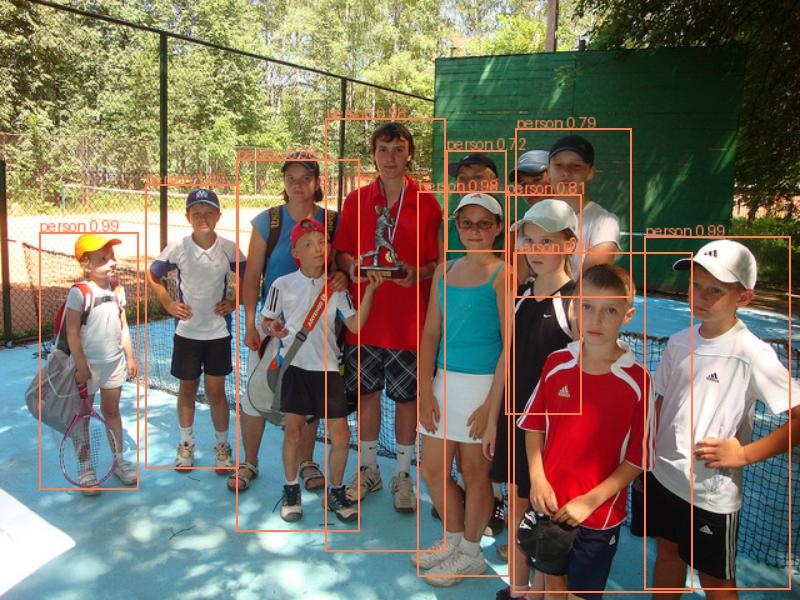
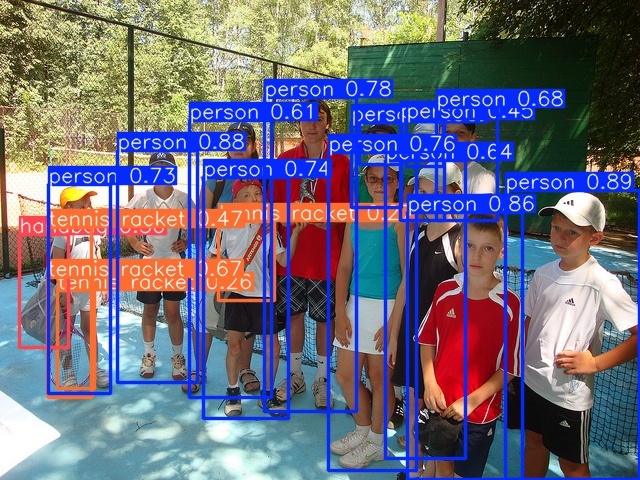
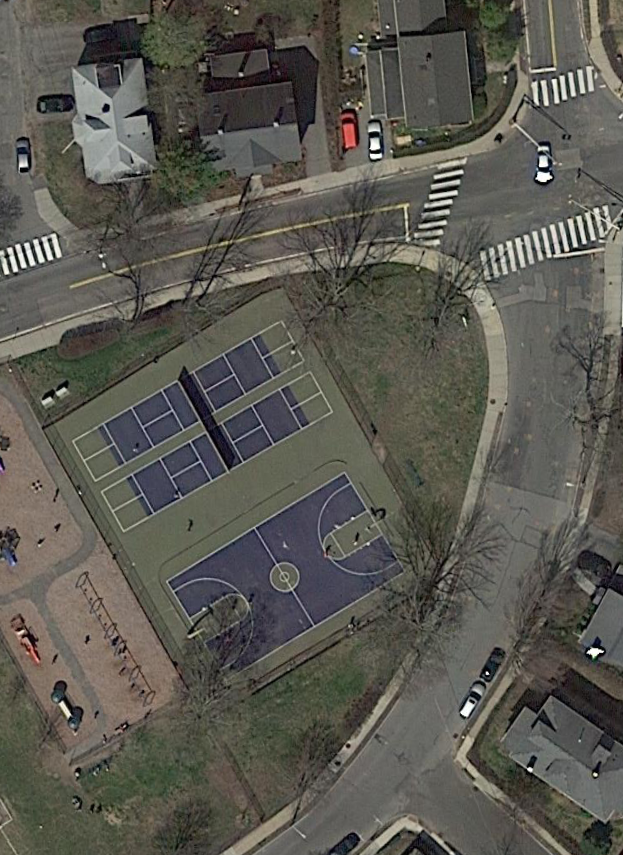
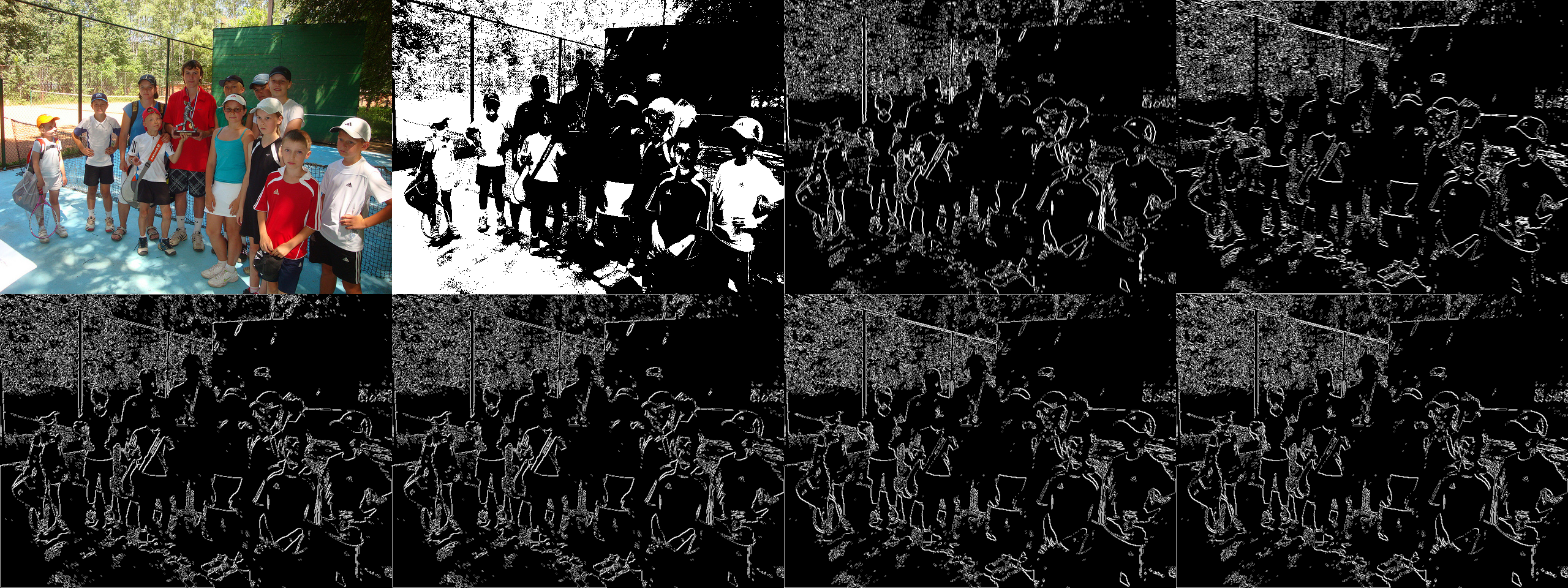
The repository is structured as coursework evidence for running multiple model families on OSC resources: setup scripts, Slurm-oriented runners, model download helpers, smoke profiles, and generated output folders are kept close to each question so the workflow can be reviewed and rerun.

What I Learned
The project made the operational side of deep learning more concrete: model quality depends on the training approach, but successful coursework at this scale also requires environment control, GPU scheduling, dataset layout, recovery from interrupted runs, and artifacts that make results understandable after the job completes.